
Key Takeaways
- Diabetes management is most effective when care is personalized to your health history, lifestyle, and goals.
- Diet and exercise play a critical role in maintaining stable blood sugar levels.
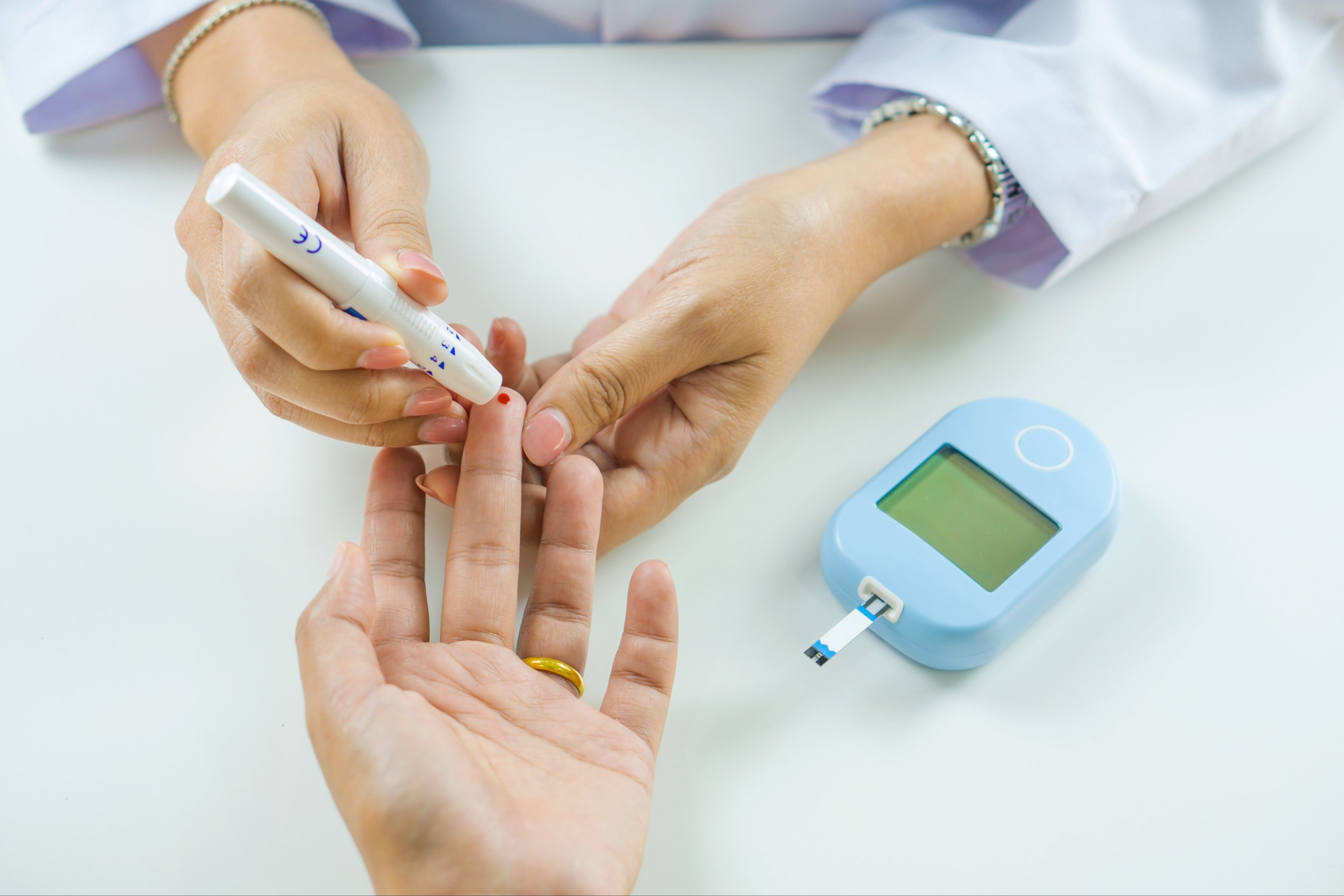
- Monitoring blood glucose regularly helps prevent complications and guides treatment decisions.
- Medications and insulin therapy, when needed, support long-term blood sugar control.
- Routine check-ups allow adjustments to treatment plans and reduce the risk of diabetes-related complications.
- Prestige Medical provides expert diabetes management and chronic disease care across Jasper, Canton, Roswell, and Rome, GA, offering personalized treatment plans, medication management, and ongoing monitoring. Schedule an appointment today.
Common Early Signs of Diabetes
Diabetes often develops gradually. Recognizing symptoms early allows for faster intervention and better outcomes.
1. Frequent Urination
High blood sugar causes the kidneys to work harder to remove excess glucose, leading to increased urination—especially at night.
2. Increased Thirst
As your body loses fluids through frequent urination, persistent thirst can develop as a compensatory response.
3. Ongoing Fatigue
When glucose can’t efficiently enter cells for energy, fatigue becomes common—even after adequate rest.
4. Blurred Vision
Elevated blood sugar can cause fluid shifts in the eyes, affecting focus and clarity.
5. Slow-Healing Cuts or Frequent Infections
High glucose levels impair circulation and immune response, slowing healing and increasing infection risk.
Why Early Diagnosis of Diabetes Matters
Detecting diabetes early helps:
- Prevent nerve, kidney, and eye damage
- Reduce cardiovascular risks
- Improve blood sugar control with fewer medications
- Support long-term lifestyle changes before complications develop
The earlier diabetes is identified, the more effective treatment and prevention strategies become.
How Diabetes Affects Your Overall Health
Untreated or poorly managed diabetes can impact multiple body systems, including:
- Heart and blood vessels
- Kidneys
- Nerves
- Eyes
- Immune system
Even mild symptoms can signal an underlying blood sugar imbalance that deserves medical attention.
When Should You Get Tested for Diabetes?
You should consider diabetes testing if you:
- Experience one or more early symptoms
- Have a family history of diabetes
- Are overweight or physically inactive
- Have high blood pressure or cholesterol
- Are over age 35
Testing is simple and may include blood glucose, A1C, or fasting blood sugar tests.
How Your Jasper, GA Doctor Can Help
A primary care provider can:
- Evaluate symptoms and risk factors
- Order appropriate diagnostic tests
- Explain results clearly
- Create a prevention or treatment plan if needed
- Monitor long-term health and blood sugar trends
Early guidance from a trusted provider can significantly reduce future complications.
Support That Helps You Manage Diabetes With Confidence
Living with diabetes doesn’t mean sacrificing your quality of life. With a personalized management plan, consistent monitoring, and professional guidance, blood sugar control becomes more achievable and sustainable.
Prestige Medical offers comprehensive diabetes management and chronic disease care in North Georgia, providing personalized treatment plans, medication management, and routine follow-ups designed to support long-term health. Schedule an appointment with Prestige Medical today to take control of your diabetes with expert care.
Frequently Asked Questions
What are the earliest symptoms of diabetes?
Frequent urination, excessive thirst, fatigue, blurred vision, and slow-healing wounds are common early signs.
Can diabetes be present without symptoms?
Yes. Many people have prediabetes or early diabetes without noticeable symptoms, making screening important.
How is diabetes diagnosed?
Through blood tests such as fasting glucose, A1C, or oral glucose tolerance testing.
Is early diabetes reversible?
In many cases, early intervention with lifestyle changes can delay or prevent progression.
Who should get screened for diabetes?
Adults with risk factors, family history, or symptoms should speak with their primary care provider about testing.
